E. Ashworth
Managing director & co-founder
Ex-automotive powertrain lead. Owns the thesis that a crankshaft should cost what a crankshaft costs.
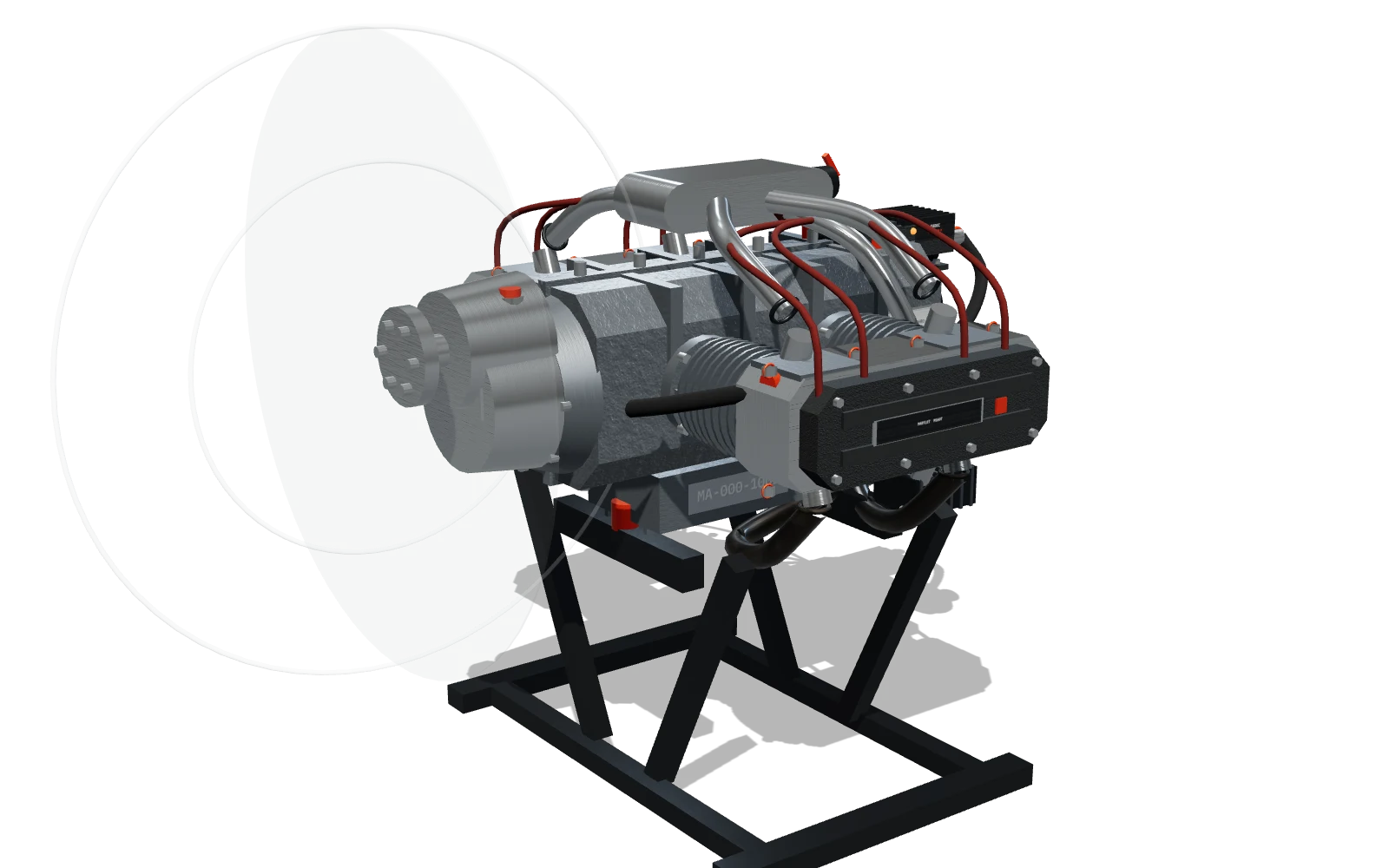
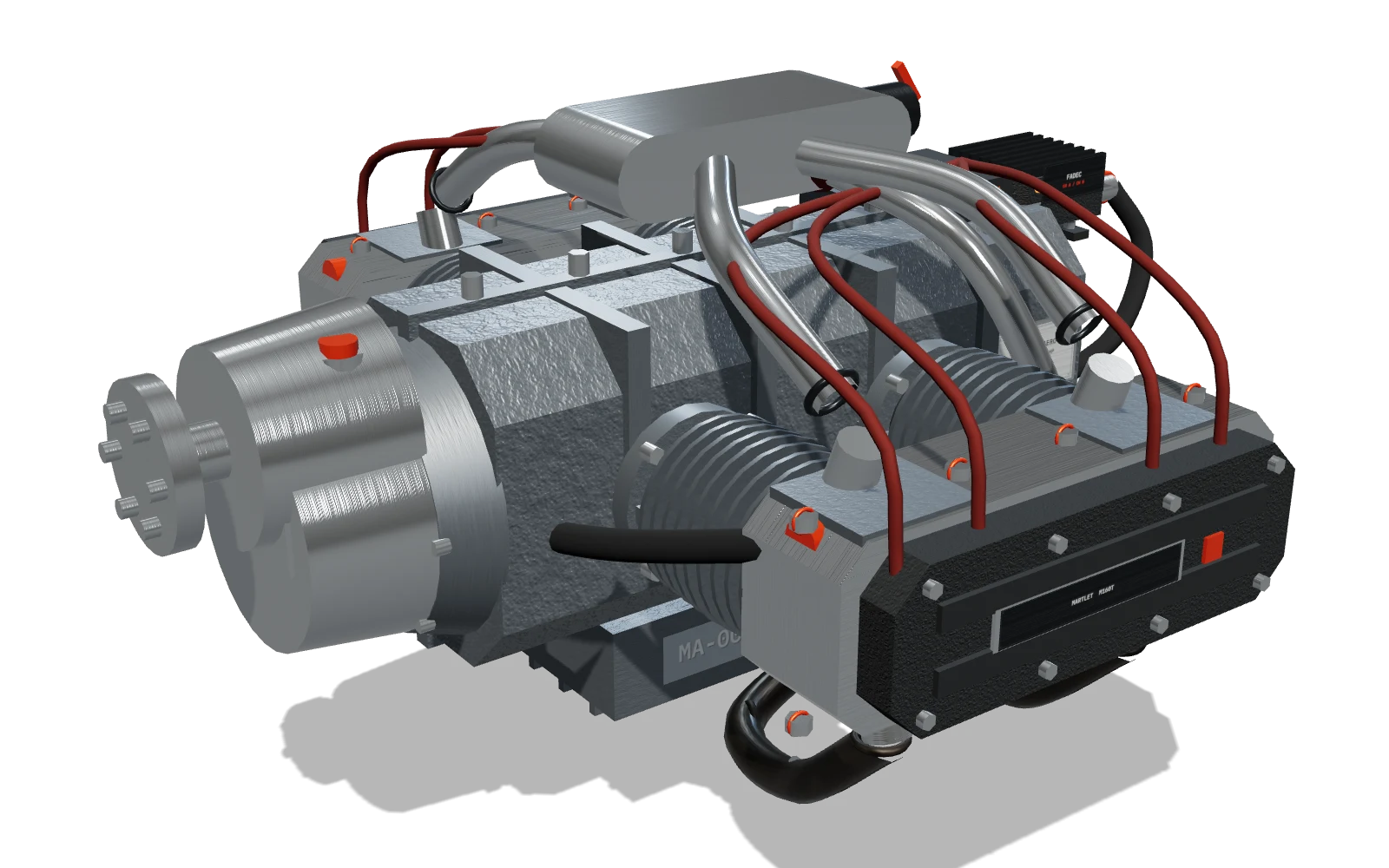
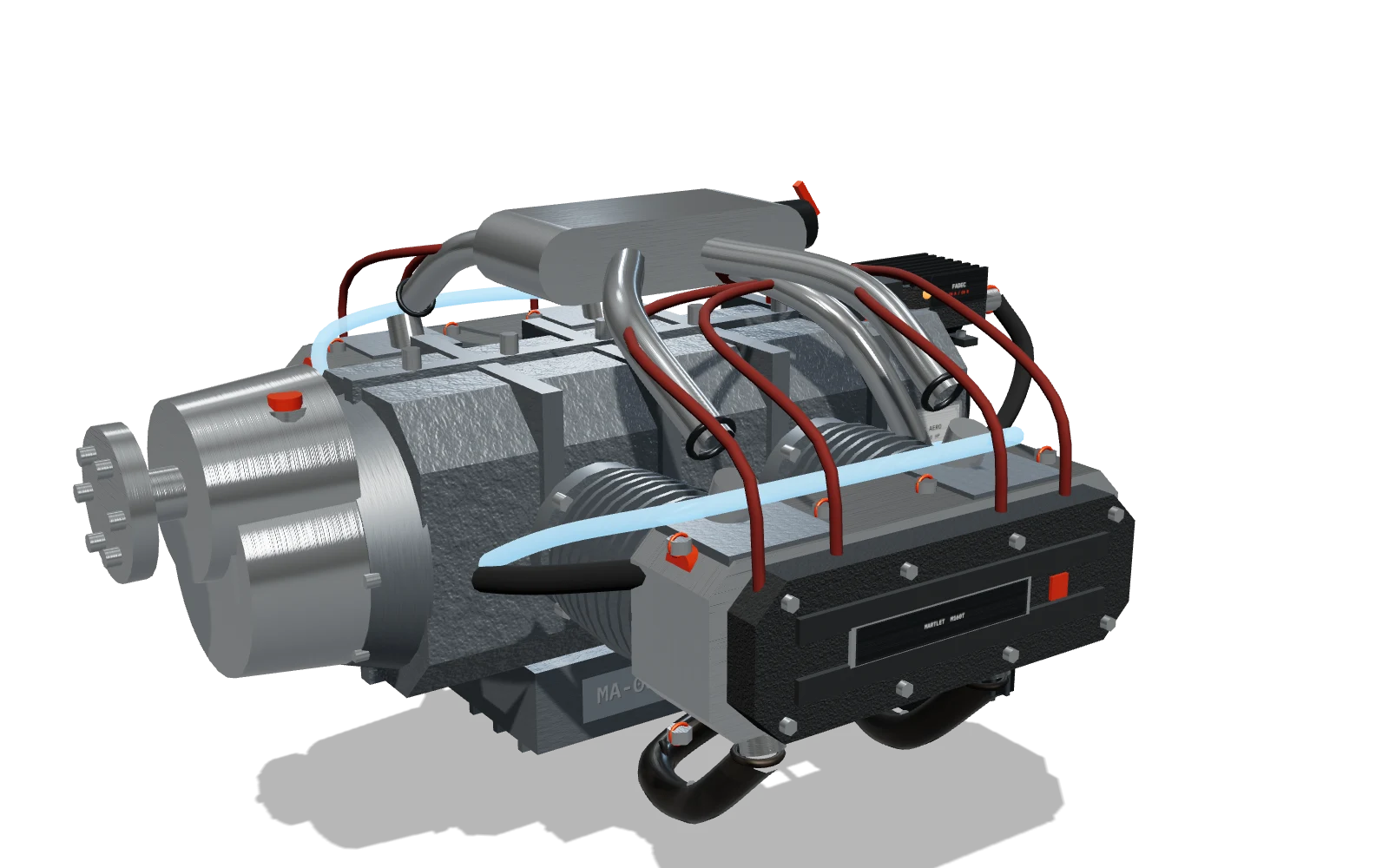
Martlet Aero builds high-performance piston engines for small aircraft at Filton, on the northern edge of Bristol. The company was founded in 2019 by three engineers — two from automotive powertrain, one from aero certification — around a single irritating fact: a light-aircraft engine cost four times what its parts justified.
The name is heraldic. The martlet is the bird drawn without feet — it never lands — and it marked the fourth son, who inherited no land and had to earn his own way. We put it on the crankcase because it is the whole thesis in one glyph: relentless flight, nothing inherited, everything earned.
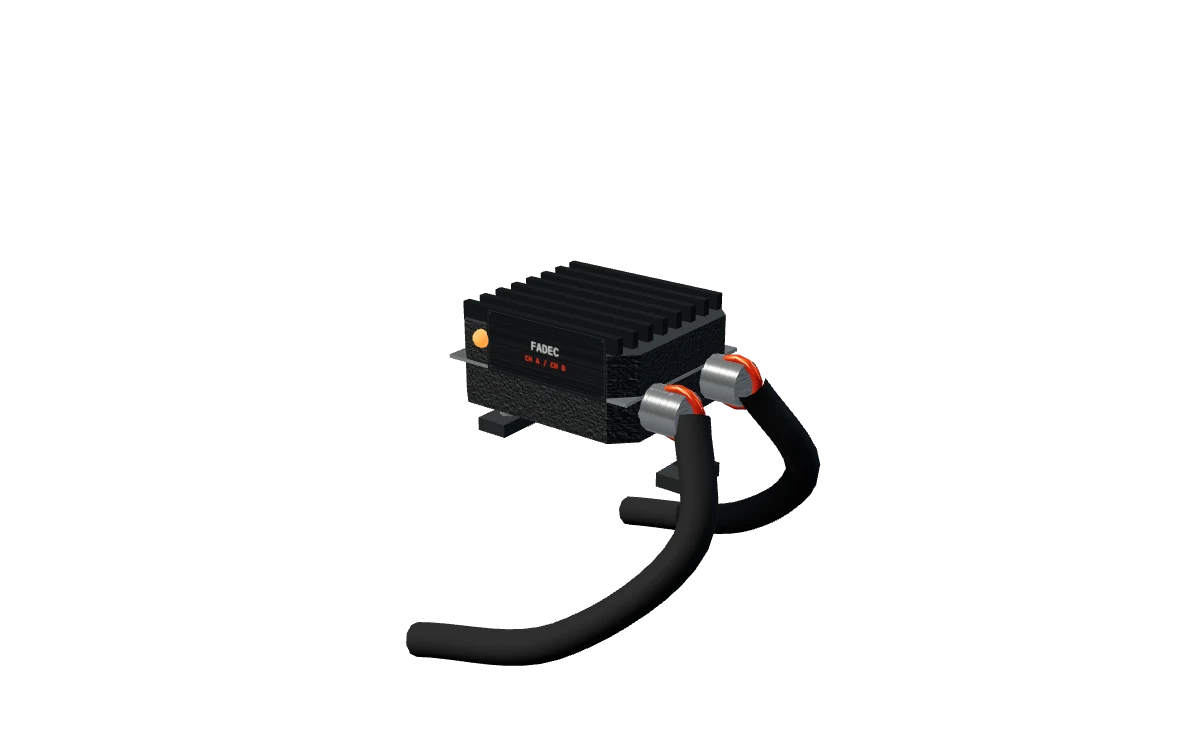
The engineering follows the heraldry. We build at automotive scale with automotive-grade sensors and FADEC silicon, we run unleaded mogas, and we publish the entire parts catalog with prices. The engines are affordable because they are honest and serviceable — not because they are cheap.
The martlet is drawn without feet. It never lands.
Cumulative dyno + flight hours across all cores, updated nightly from the cell logger.
From a borrowed dyno to 467 engines flying.
Each shown beside the thing they are responsible for.
Managing director & co-founder
Ex-automotive powertrain lead. Owns the thesis that a crankshaft should cost what a crankshaft costs.
Chief engineer & co-founder
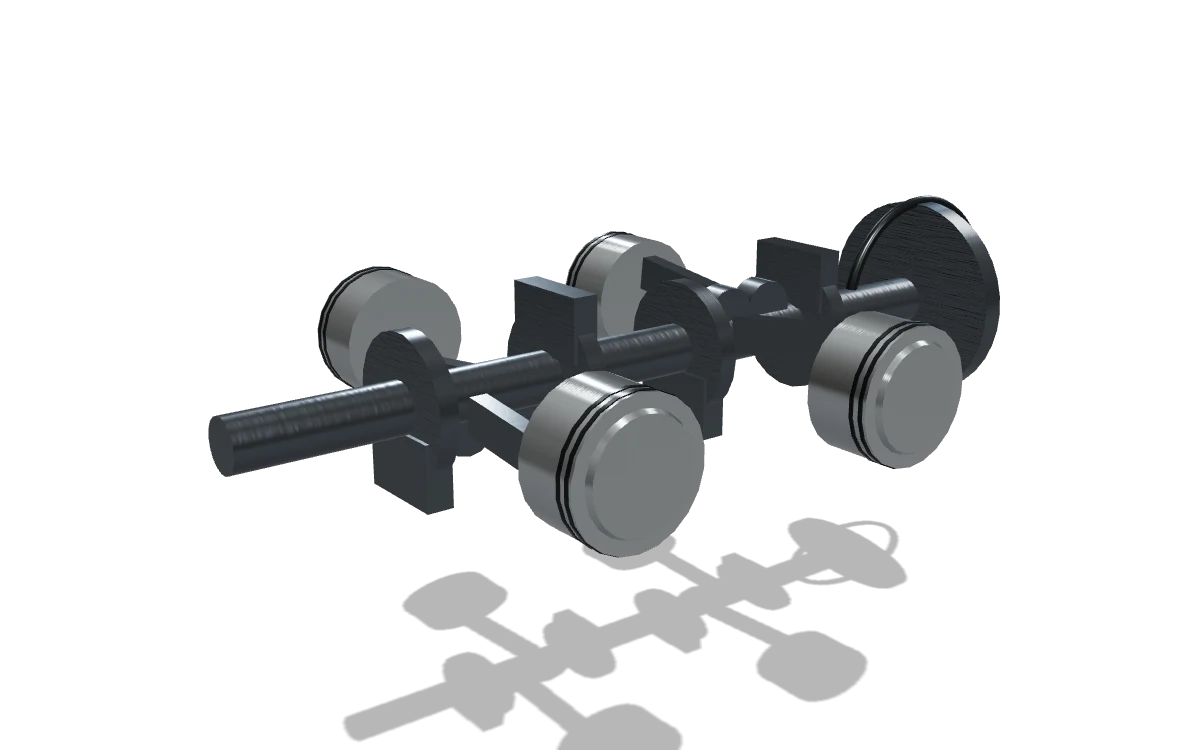
Clean-sheet architect of the M-series core. Insists every tolerance in the manual is one we actually hold.
Head of certification & co-founder
Twenty years of CS-23 paperwork. Believes certification is a design input, not an afterthought.
Head of test
Runs the cell. Personally signed off 31,000 hours of dyno time and still listens for the one wrong noise.
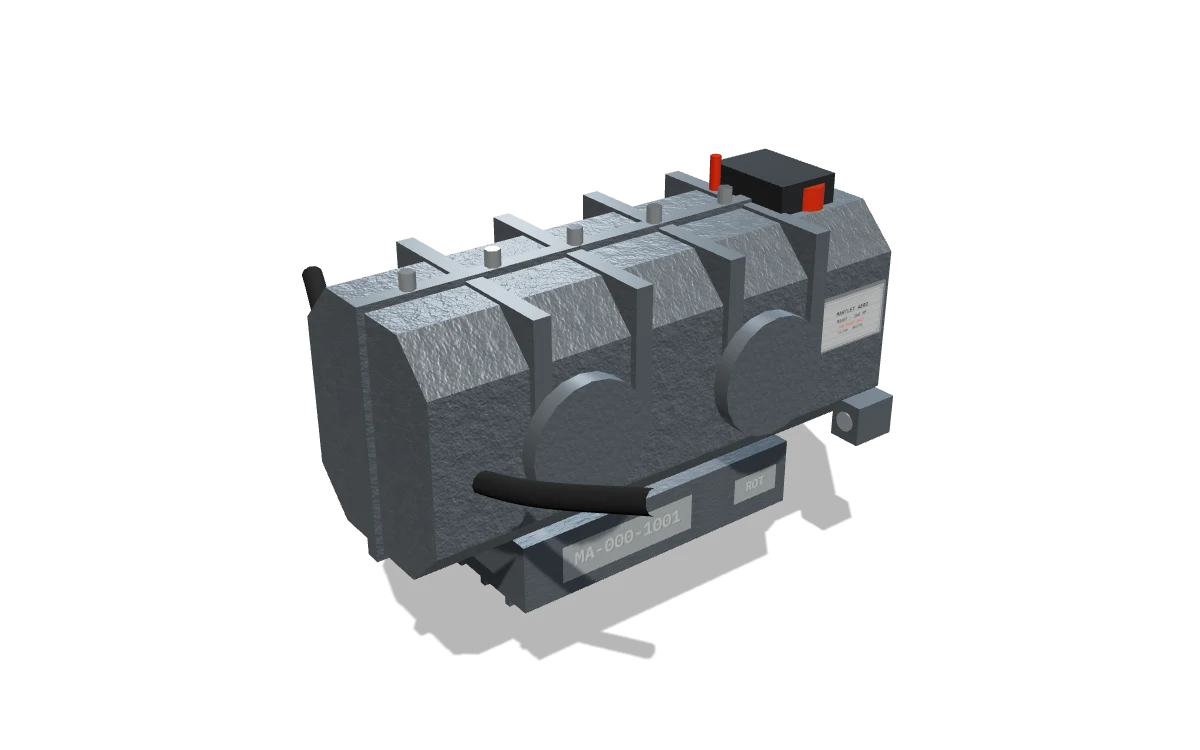
Head of manufacturing
Built the Filton line cell by cell. Measures success in first-pass yield and clean floors.
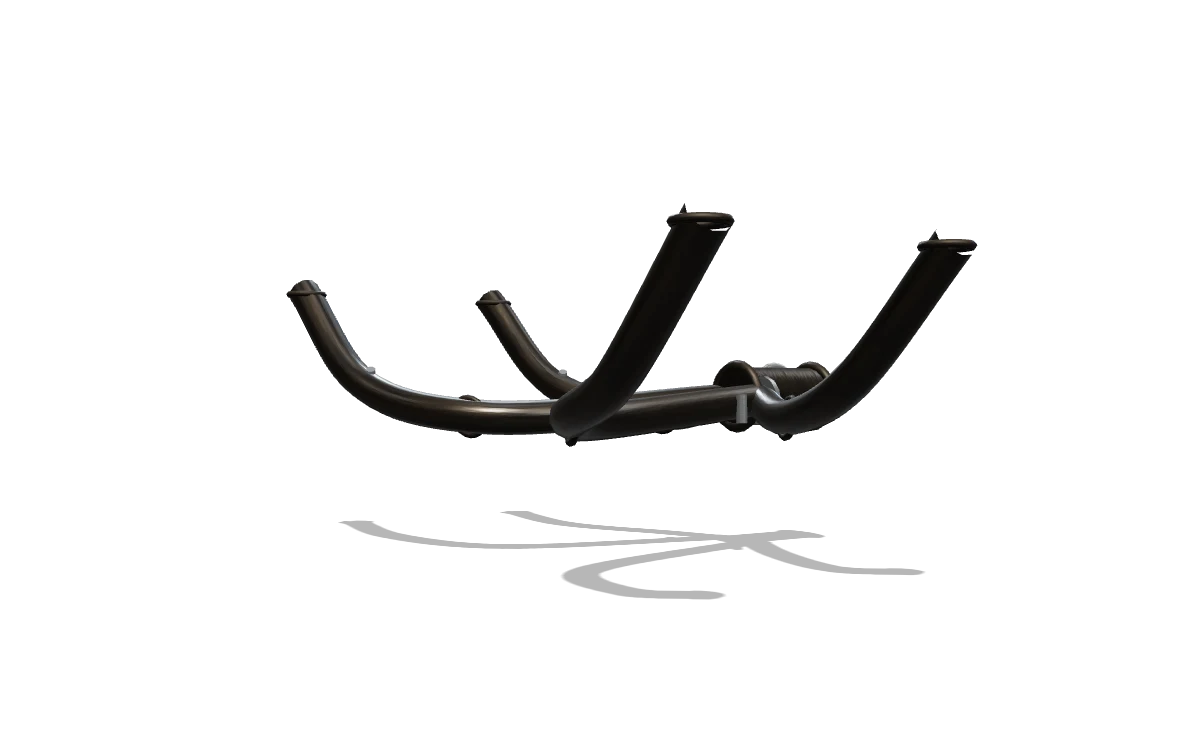
Customer engineering
The voice on the phone when a builder torques the first head bolt. Writes the manuals people actually read.